Foundations: Wolf Residence — The Best of Vintage State Construction
A 1976 home that blends thoughtful design, lasting craftsmanship, and nearly five decades of care *

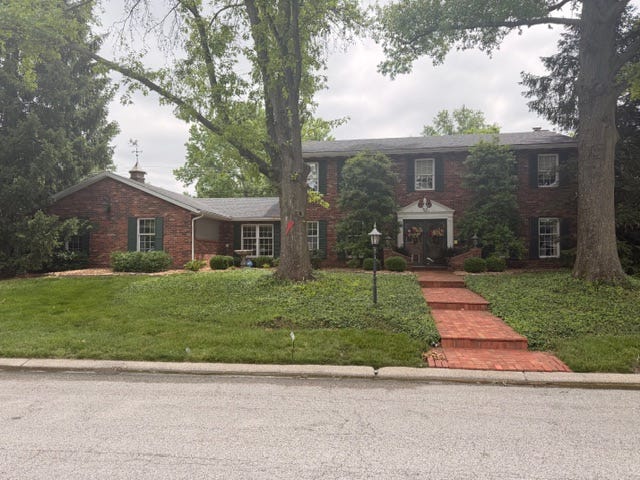
Some homes age gracefully. Others become part of the identity of a neighborhood.
The Wolf residence at the corner of Smiley and St. Nicholas somehow manages to do both.
Built in 1976 by State Construction, the home stands today as one of the finest and most carefully preserved examples of the builder’s early work in Fairwood East—and arguably one of the best vintage examples of State Construction anywhere in O’Fallon.
For me personally, this one was especially fun to write about.
Growing up in O’Fallon, the Wolf residence was always one of those homes that stood out. Part of it is the location—prominently positioned along Smiley, one of O’Fallon’s busiest residential streets—but even more than that, it’s the amount of care, layering, and personality poured into the property over nearly five decades.
The house doesn’t just sit on the corner. It anchors it.
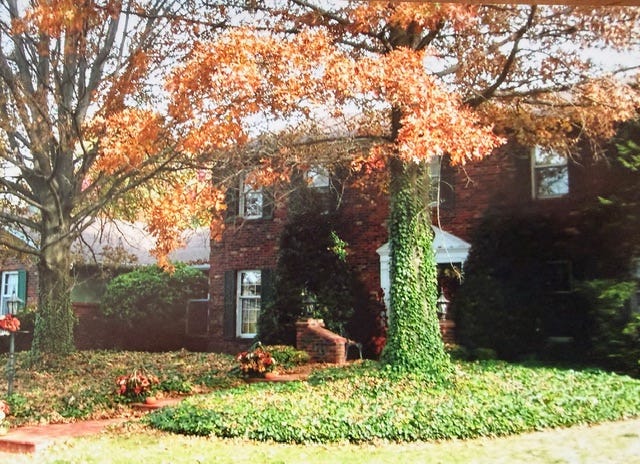
From the brick courtyard walls and lanterns to the mature ivy, towering pines, window boxes, and raised elevation above the street, every detail feels intentional. It’s dramatic without being flashy. Elegant without trying too hard. And over the years, it quietly became one of the defining visual landmarks of Fairwood East.
But the story of the Wolf residence is also the story of Fairwood East itself—and, in many ways, the story of modern O’Fallon.
A Neighborhood That Helped Shape O’Fallon
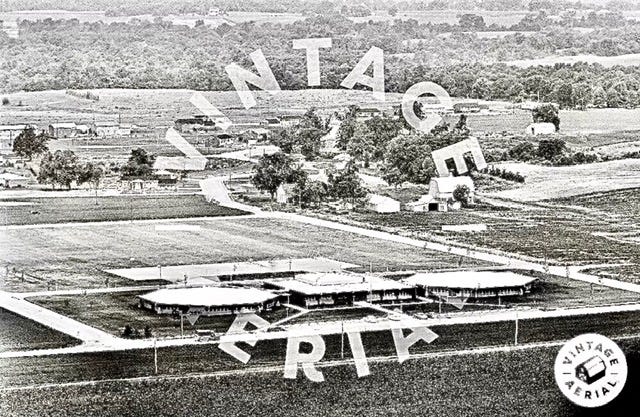
Fairwood East represents one of O’Fallon’s earliest truly modern subdivisions.
Beginning in the 1960s and continuing through the ’70s and ’80s, the neighborhood played a major role in the city’s transition from small farming town into the suburban community O’Fallon is today. And while newer subdivisions often arrive with grand entrances, monument signs, and carefully branded identities, Fairwood East evolved differently.
In fact, one of the most interesting things about Fairwood East is that many people drive through it every single day without even realizing they’re there.
There’s no dramatic entrance. No defining gateway. Instead, the neighborhood is stitched together more organically through winding streets, mature trees, schools like Estelle Kampmeyer, landmarks like St. Nicholas Church, and homes built thoughtfully over time.
And at the center of much of that development was State Construction.
Talking with homeowner Mary Wolf, one thing became immediately clear: even fifty years ago, State Construction already had a reputation people trusted.
Families relocating to O’Fallon actively sought out State Construction homes because of the quality, craftsmanship, and durability associated with the builder. What’s fascinating is that decades later, that reputation remains largely unchanged. Even today, people still describe State Construction homes the same way Mary does:
“They’re solid.”
And once you spend time in one, you understand exactly what she means.
A Familiar Floor Plan—Made Extraordinary
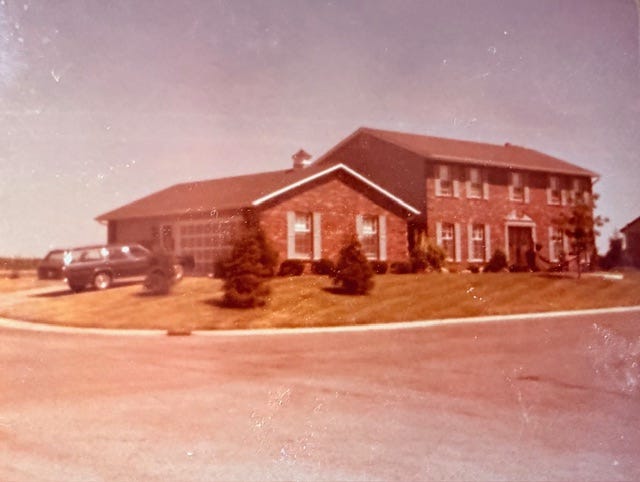
What makes the Wolf residence particularly interesting is that the underlying floor plan itself was not necessarily unique.
In fact, if you drive through Fairwood East, you’ll notice several variations of similar State Construction layouts repeated throughout the subdivision. But what’s remarkable is how differently those homes present themselves architecturally.
Some lean traditional. Others feel more European. A few have surprisingly modern lines. Some even hint at Spanish or Mediterranean influences. It’s a reminder that thoughtful facades, materials, landscaping, and detailing can dramatically transform what begins as a familiar footprint.
And nowhere is that more evident than at the Wolf residence.
The original base price of the house was approximately $70,000, with the corner lot adding another $9,500. The Wolfs then invested roughly $8,200 in upgrades—a figure almost impossible to imagine today.
Those upgrades included wood windows, upgraded doors, custom brickwork, lantern lighting, a wood staircase, and exterior architectural elements that elevated the house well beyond a standard subdivision build.
After a trip to Europe, Mary and her husband Louis became inspired by enclosed brick courtyards they had seen overseas. Louis sketched out a custom courtyard concept brick by brick, and State Construction brought it to life. The resulting brick walls, pillars, patio spaces, and layered landscaping transformed the home into something entirely its own.
While many homes in Fairwood East may share pieces of the same DNA, the Wolf residence feels singular.
Built to Last—and Cared for Accordingly
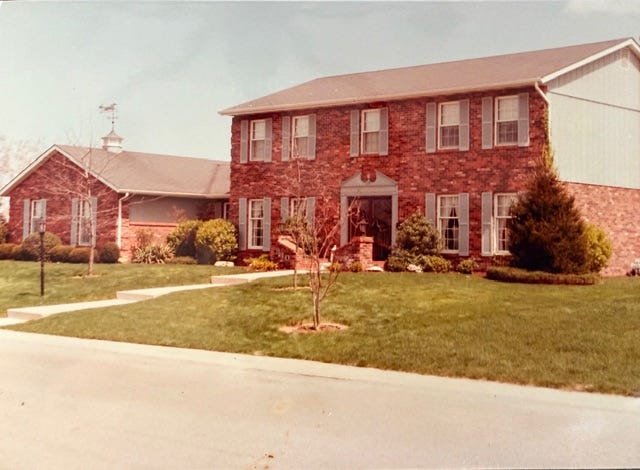
What truly separates the Wolf residence, though, is not simply how it was built—but how it has been cared for.
For decades, the property has been known throughout the neighborhood for its landscaping. The ivy. The layered plantings. The manicured trees. The window boxes. The towering pines framing the house like a backdrop.
Every inch of the property reflects years of effort and attention.
And then there’s Christmas.
Long before elaborate holiday displays became commonplace, the Wolf family created one of O’Fallon’s most memorable seasonal homes. The trees wrapped in lights, the bows and wreaths, the glowing lanterns, and the elegant layering of decorations became a neighborhood tradition for many families driving through Fairwood East during the holidays.
It wasn’t over-the-top chaos. It was something far more elegant—almost a refined, beautifully executed Griswold interpretation of Christmas decorating.
And like the house itself, it became part of people’s memories of growing up in O’Fallon.
Fairwood East’s Quiet Renaissance
What’s especially fascinating today is that Fairwood East itself may be entering a bit of a renaissance.
As these homes approach the 50-year mark, many buyers are beginning to rediscover what makes the neighborhood special: larger lots, mature trees, winding streets, architectural variation, and a level of character that can sometimes feel missing in newer developments.
And perhaps most importantly, Fairwood East sits within walking distance of one of the most vibrant parts of O’Fallon.
Downtown’s continued growth—with destinations like the Vine Street Market, District Nights, restaurants including Peel Wood Fired Pizza, Shooter’s Bar & BBQ, and wellness spots like Juice Heal Thrive—has made the neighborhood feel more connected and relevant than ever.
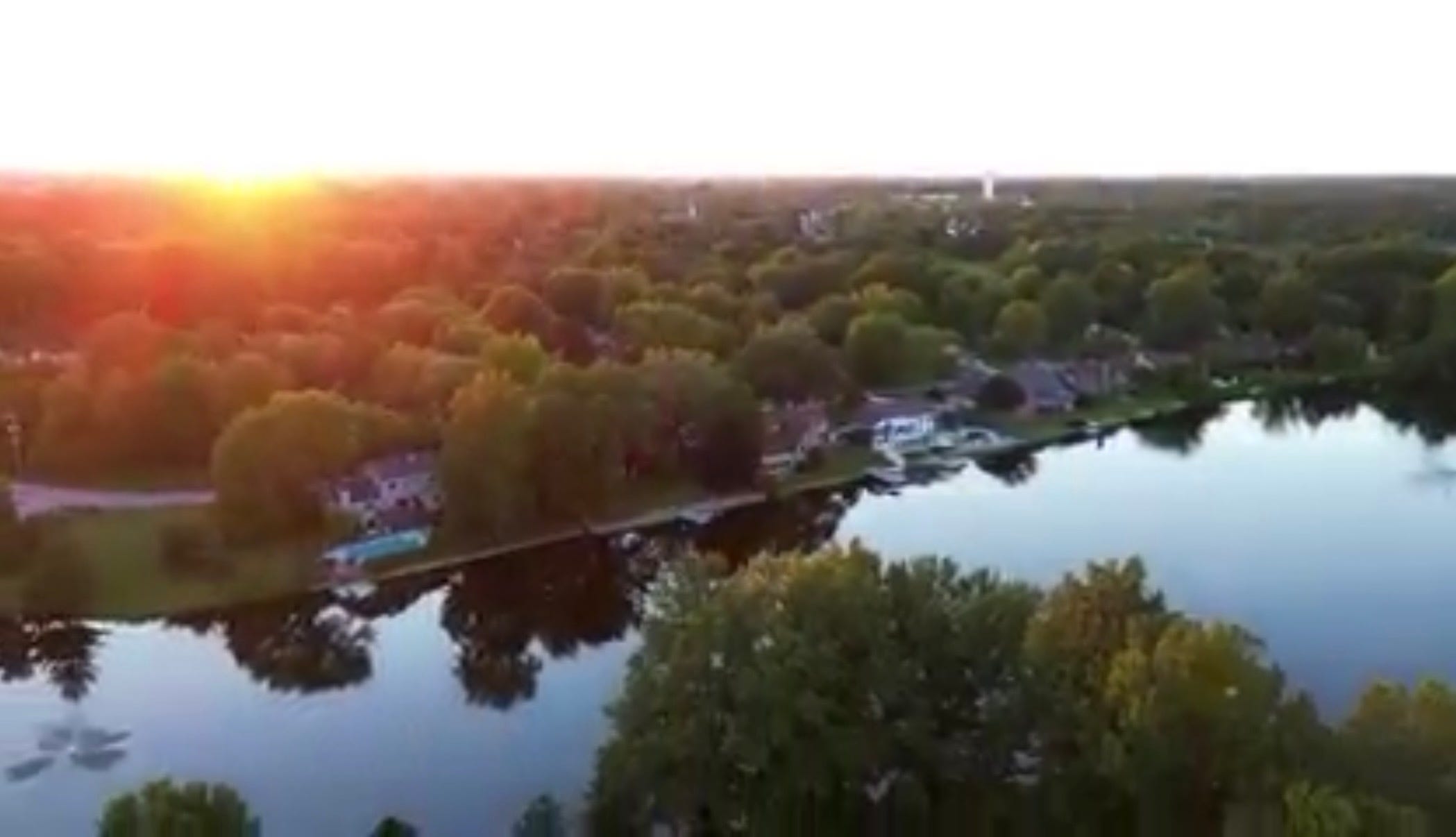
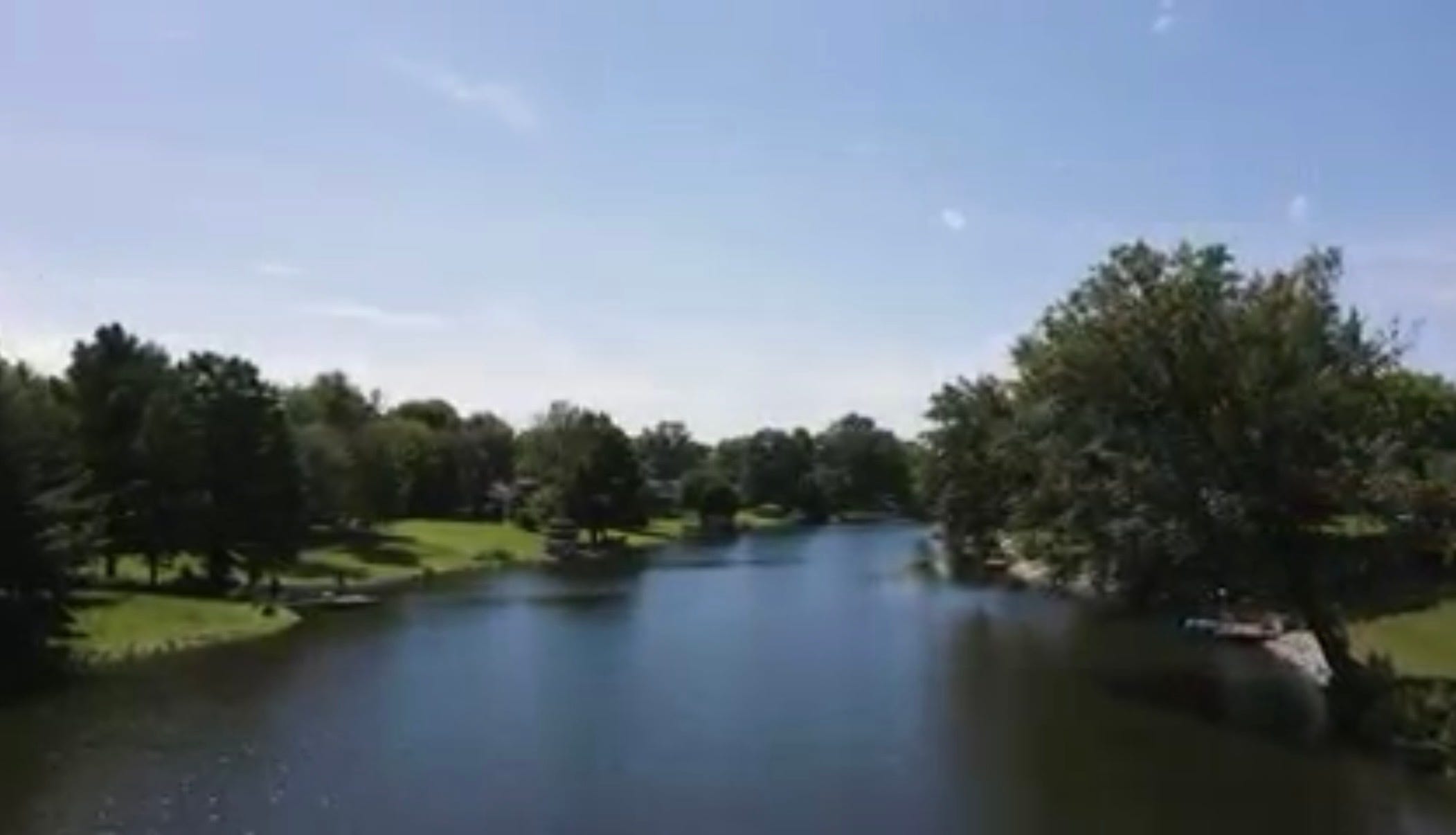
At the same time, Fairwood East remains centered around one of O’Fallon’s most unique neighborhood features: the 16-acre Fairwood Lake and the collection of custom homes surrounding it.
That balance—between established character and renewed energy—is part of what makes the neighborhood increasingly compelling today.
More Than Just a Beautiful Home
The Wolf residence matters because it represents more than one family’s well-maintained property.
It represents a style of construction, a period of growth, and a philosophy of neighborhood design that helped shape modern O’Fallon.
Historic homes often receive the most attention—and deservedly so—but houses like this tell an equally important story. They document the suburban evolution of O’Fallon and the builders, families, and neighborhoods that defined an entire era of growth.
Nearly fifty years after it was built, the Wolf residence remains exactly what it has always been: a standout.
Not because it demands attention—but because it earned it over time.
Originally written for O’Fallon Area Living as part of the Foundations series highlighting architecturally and historically significant homes in O’Fallon.